
Top Podcasts
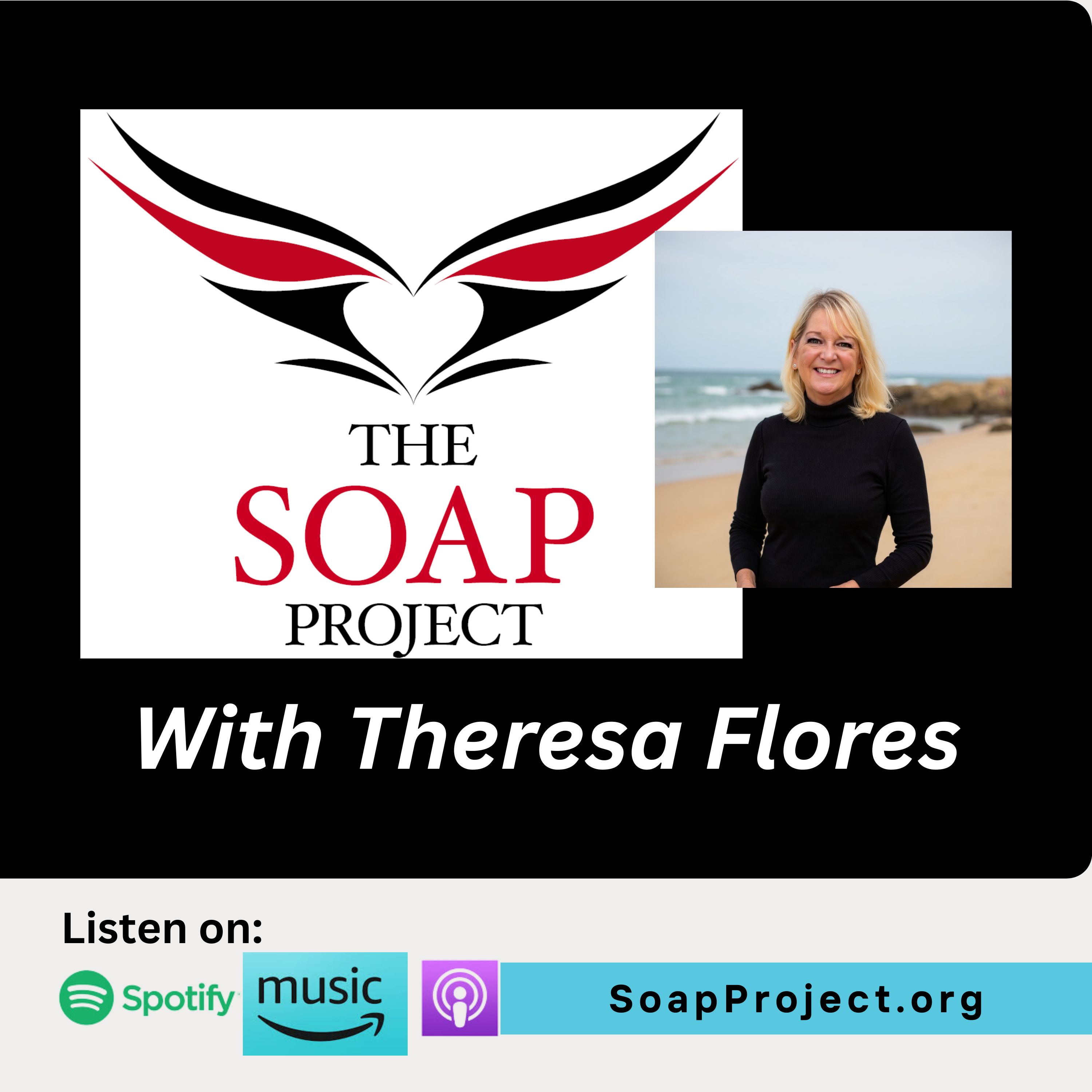
From Silence to Action: Theresa Flores on The SOAP Project and Surviving Trafficking
Theresa Flores’s Story
When people talk about human trafficking, they often imagine it happening far away—some distant city, some unfamiliar circumstance. But Theresa Flores’s story challenges that assumption. She grew up as a typical Midwest teenager, moving often, feeling shy, and wanting desperately to fit in. Those ordinary vulnerabilities became the doorway to something she never could have imagined. At fifteen, she was trafficked while still living at home. She went to school during the day, came home for dinner, and then endured abuse and control after school and late at night. She carried a double life with no safe adult to confide in and no language to describe what was happening. Her experience is a powerful reminder that trafficking hides in plain sight and that prevention begins with understanding it can occur in any neighborhood, any school, any zip code.
Modern Risks: Technology, Isolation, and the Rise of Sextortion
Today, the risks facing kids and teens have only intensified, and Theresa speaks openly about how technology has reshaped the landscape. One of the most dangerous trends she highlights is sextortion. It often begins with a single message or photo. A young person is manipulated into sharing something private, and suddenly the predator has leverage. They threaten to expose the image unless the teen sends more, pays money, or meets in person. The fear, shame, and isolation that follow can be overwhelming, especially for teens who already feel unseen or unsupported.
When Theresa speaks to parents, educators, and caregivers, she emphasizes simple but powerful prevention habits: listening without judgment, keeping communication open, watching for sudden behavior changes, and treating online safety as an ongoing conversation rather than a one‑time warning. She stresses that adults must create environments where young people feel safe enough to speak up before a crisis escalates.
Community Action: The SOAP Project and Hotel‑Based Intervention
Theresa’s work through The SOAP Project is deeply personal and rooted in her own survival. The organization mobilizes communities with a simple, repeatable strategy. Volunteers place labels with the National Human Trafficking Hotline number on bars of soap and deliver them to hotels and motels. They also train hotel staff to recognize signs of trafficking and respond safely. Hotels are a critical intervention point because they are frequently used for exploitation. When front desk teams, housekeeping staff, and managers understand what trafficking looks like, they can interrupt it without putting victims at greater risk.
This mission carries emotional weight for Theresa. She was once left for dead in a motel, and transforming those spaces into places of awareness and action is part of her healing. It is also part of her commitment to ensuring that no other victim feels as invisible as she once did.
Survivor support is equally central to her work. Through The SOAP Project, Theresa helps provide retreats for male and female survivors, emergency assistance, and a dental program that can be life‑changing for people who suffered severe harm while trafficked. She often reminds audiences that healing is not linear. It requires community, compassion, and practical help. What keeps her going are the moments after she speaks—when someone quietly approaches her and says her story finally gave them words for their own. Those conversations reinforce why this work matters and why awareness must continue to grow.
Building Awareness and Taking Action
Theresa believes strongly that anyone can play a role in ending trafficking. She encourages people to partner through their schools, churches, civic groups, or workplaces. Supporting survivor services, learning the signs, and sharing accurate information are all meaningful steps. Prevention and healing both begin with awareness, and awareness grows when individuals choose to act.
Her message is clear: trafficking is not a distant issue. It is a community issue, a family issue, and a human issue. By listening, learning, and engaging, people can help create safer environments for vulnerable youth and support survivors on their path toward recovery. Theresa’s story is not only a testimony of what she endured—it is a call to action for anyone willing to stand with those who cannot yet stand alone.
To learn more about The SOAP Project visit:
The SOAP Project
803-566-SOAP (7627)

about
Brandon Andres Green
Executive Producer, Good Neighbor Podcast: Tulsa
Contact
918-301-6356
Navigation
Copyright © 2026. All rights reserved by Good Neighbor Partners, LLC | Terms and Conditions | Privacy Policy